
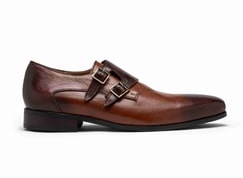


Hand-painted patina leather shoes get their color applied by hand, in layers, by an artisan working with brushes and dyes rather than a single flat dip-dye — which is exactly why the finish has genuine depth and tonal variation a machine-dyed shoe can't replicate. Here's what the process actually involves, and why it justifies the higher price.
What Patina Actually Means
I think "patina" gets thrown around loosely sometimes, so let me be specific. In this context, it refers to a hand-applied finishing technique where an artisan builds up color in translucent layers, often blending two or more tones, rather than submerging the leather in a single uniform dye bath. The result is a finish with real depth — darker in some areas, lighter in others, developing further character as the shoe ages and picks up natural wear patterns.

Why the Process Takes Real Skill
Applying flat dye to leather is fast and can be automated. Building a genuine patina by hand cannot. The artisan has to control how each layer blends into the last, judge how the leather will absorb and hold color differently across its surface, and build toward a finish that looks intentional and balanced rather than blotchy or uneven. Get it wrong, and the result looks like a mistake rather than a design choice — which is exactly why this work goes to genuinely skilled hands, not an entry-level task.
Why Patina Shoes Cost More
The honest answer is time and skill, not marketing markup. A flat-dyed shoe can be finished in a fraction of the time a hand-painted patina finish takes. You're paying for the actual hours of skilled hand-work that go into building the color, not a manufactured premium on an otherwise identical shoe.
How Patina Develops Over Time
This is genuinely one of my favorite things about the finish. Unlike a flat dye that simply fades or wears thin, a hand-painted patina tends to deepen and develop further character with regular wear and proper conditioning. The shoe you own in year three often looks richer than the one you bought new — which is the opposite of how most footwear ages.
What to Look For When Buying Patina Shoes
Genuine tonal variation, not a flat color with a marketing label attached. Real patina should show visible depth and blending, not a uniform single tone.
Even application at the transitions between tones — harsh, uneven blending is a sign of rushed work.
Stitched sole construction, ideally Goodyear welt or Blake stitch, so the quality of the rest of the shoe matches the effort put into the finish.
Frequently Asked Questions
Does patina leather need special care?
Gentle care is best — a soft cloth for cleaning, regular conditioning, and avoiding harsh chemicals that could disturb the hand-applied layers.
Will two patina shoes from the same batch look identical?
No, genuinely not — natural variation is part of the hand-painted process, meaning no two pairs are ever perfectly identical.
Is patina the same as distressing or pre-aging a shoe?
Not quite — patina is a genuine finishing technique building real color depth, while distressing is a separate process meant to simulate wear that hasn't actually happened yet.
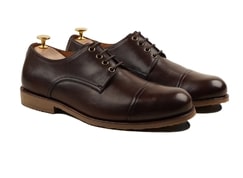
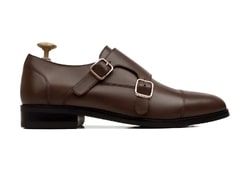
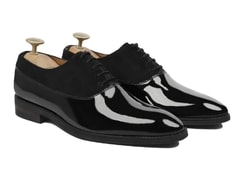
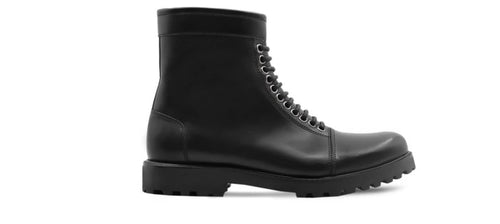
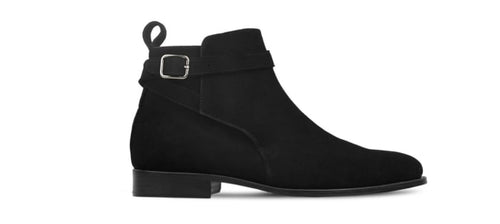
Explore our hand-painted patina collection across monk straps, boots, and oxfords.
See a featured pair: Dark Brown Patina Triple Monk Shoes for Men.