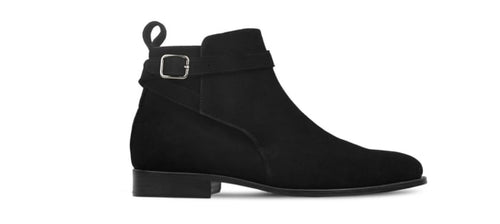


Business casual shoes for men are polished leather or suede styles that sit between formal dress shoes and casual weekend footwear. The easiest options include Derbies, loafers, monk straps, Chelsea boots, chukkas, and simple Oxfords. In more relaxed workplaces, clean minimal sneakers can also fit the dress code. The right choice depends on how formal your office is, what trousers you wear, and the season.
I want to walk through the seven shoes that genuinely earn a place in a business casual rotation, what makes each one different from the others, and — more importantly — when to actually reach for it instead of just grabbing whatever's closest to the door.
Why "Business Casual" Confuses People in the First Place
Here's the thing nobody tells you: business casual isn't one dress code. It's a different dress code at every single company, sometimes even different from one department to the next in the same building. So instead of chasing "the one perfect business casual shoe," it's genuinely more useful to build a small handful that cover the whole range — something for the days you're presenting to a client, something for the regular grind, and something for the Friday where everyone's basically already checked out.
Business Casual Shoes at a Glance
| Style | Relative Formality | Best Use |
|---|---|---|
| Brown Derby | Medium-high | Everyday office wear, chinos, tailored trousers |
| Suede Chukka | Medium | Cool-weather business casual, wool trousers, chinos |
| Penny Loafer | Medium | Warm-weather office wear, chinos, relaxed tailoring |
| Monk Strap | Medium-high | Client meetings and more polished business-casual days |
| Chelsea Boot | Medium | Fall/winter office wear, chinos, tailored trousers |
| Cap Toe Oxford | High | Dressier business-casual days and conservative offices |
| Moccasin Loafer | Lower | Relaxed offices and casual Fridays |
Quick rule: if your workplace leans conservative, start with a Derby or cap toe Oxford. If it is more relaxed, loafers, Chelsea boots, and suede chukkas give you more flexibility without looking like weekend footwear.
1. Brown Derby Shoes
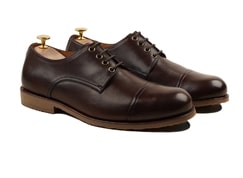
If I had to pick one shoe to recommend first, it's this one. A derby uses open lacing instead of an oxford's closed system, which sounds like a small detail until you've actually worn both for a full day — the derby genuinely gives your foot a bit more room, and that adds up over eight hours standing in meetings. We go deeper into why that construction difference matters in our derby shoes guide, but the short version is: it's the most versatile business casual shoe you can own, full stop.
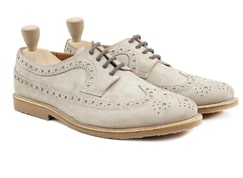
Wear it with chinos, dress trousers, or even a lightweight suit minus the tie. Just don't reach for the heavily brogued version if you're pairing it with something more formal — save that one for a plainer toe.
2. Suede Chukka Boots
Chukka boots are almost aggressively simple — a couple of eyelets, no cap toe, nothing trying too hard. That's exactly why they work. Our chukka boots guide covers the construction side if you want the details, but here's the practical bit: tan or dark brown suede chukkas go with almost anything you'd wear on a cooler business casual day, especially with wool trousers.
One honest caution — suede is generally less forgiving of wet weather than smooth leather. If rain is likely, a smooth-leather pair is usually the safer choice, or use a suitable suede protector and let the shoes dry naturally afterward.
3. Penny Loafers
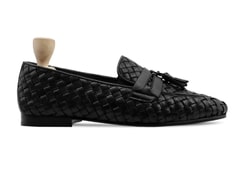
I genuinely think the penny loafer is underrated as a business casual staple. No laces, no fuss — you just put them on and go, and somehow they still look intentional rather than lazy. Our full penny loafer guide gets into where the style actually came from, which is a fun bit of history if you're into that.
Best in warmer months, paired with chinos, tailored trousers, or even clean denim if your office allows it. With a conservative business suit, an Oxford or Derby is usually the easier choice; a refined penny loafer can still work with softer, less-formal tailoring when the dress code allows it.
4. Monk Strap Shoes
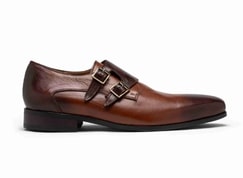
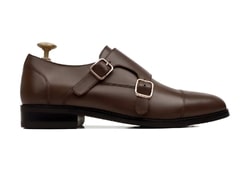
If your rotation is starting to feel like an endless parade of laces, a single monk strap breaks that up nicely. The buckle gives it more structure than a plain loafer, but you still skip the lacing process entirely. We wrote a whole guide to single monk straps if you're curious why single is the easier starting point compared to double or triple.
Save this one for the days that need a bit more polish — a client presentation, a meeting with someone you're trying to impress.
5. Chelsea Boots
Chelsea boots might be the most adaptable shoe on this whole list, honestly. Clean, minimal, no laces, and they somehow work with a suit, with chinos, or with jeans depending entirely on how you style them. Our Chelsea boots styling guide covers all three of those scenarios if you want specifics.
They're at their best in fall and winter, when a full oxford can start to feel like overkill for the season.
6. Cap Toe Oxford (Minus the Tie)
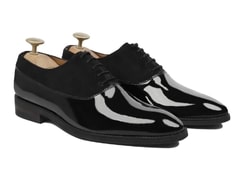
This one might seem like an odd fit for a business casual list, since oxfords are usually the most formal category out there. But here's the trick — a cap toe oxford worn with just dress trousers and an open-collar shirt, no tie, genuinely works in business casual territory. It's less about the shoe itself and more about how you style everything around it. Our captoe oxford guide breaks down what actually makes a good one.
Don't pair your glossiest, most formal oxford with jeans, though — that combination tends to look like a mismatch rather than a deliberate choice.
7. Moccasin Loafers
The softest, most relaxed shoe on this whole list. Moccasin construction gives it a completely different shape than a structured penny loafer — looser, more casual, genuinely comfortable in a way structured shoes just aren't.
This is your Friday shoe, or the one you wear to a meeting you already know is going to be informal. Just don't treat it as interchangeable with a penny loafer on the days that need a sharper look — the moccasin reads more casual even in an identical color.
Marcello Sarto examples: the Dark Brown Smooth Leather Derby Shoes are a straightforward office-friendly Derby; the Dual Tone Brown Leather Penny Loafers represent the more relaxed end of the rotation; and the Brown Leather Elegant Chelsea Boots show how a clean boot can cover cooler-weather business-casual outfits.
Putting Together an Actual Rotation
You don't need all seven at once — that would be overkill for most people. If you're starting from nothing, here's the order I'd actually build in:
First, a brown derby, since it covers the widest range of business casual situations on its own. Second, a penny loafer, for the warmer months and the days you want something faster to put on. Third, either a Chelsea boot or a chukka boot for when the weather turns colder. And fourth, a monk strap once you're ready to add a bit more personality to the higher-stakes days.
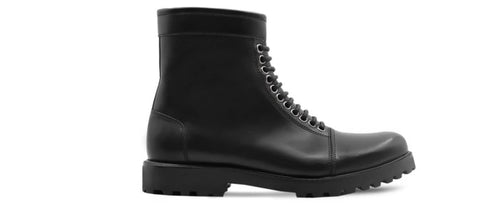
If you prefer boots with a more adjustable fit than a pull-on Chelsea, men’s lace up boots can cover that colder-weather slot while still working with chinos, wool trousers and dark denim.
A Few Honest Answers to Common Questions
What actually counts as a business casual shoe? Polished leather or suede shoes and boots — such as Derbies, loafers, monk straps, Chelsea boots, chukkas, and simple Oxfords — are the safest choices because they look professional without feeling as formal as traditional suit shoes.
Are only leather shoes appropriate for business casual? No. Leather and suede are the safest traditional choices, but some modern workplaces also allow clean, minimal sneakers. The deciding factor is your company dress code and how polished the rest of the outfit looks.
Can sneakers work for business casual? Yes, in workplaces that allow them. Choose a clean, understated pair with minimal branding and pair them with chinos or tailored trousers rather than gym or running shoes.
How many pairs do I really need? Two pairs is a practical minimum because rotating shoes gives each pair time to air and dry between wears, which can help the materials last longer.
Does the season actually matter? It can. Loafers and lighter tones are easy choices in warmer months, while darker leather shoes and boots are often more practical in cooler or wetter weather.
You can explore handmade leather options across our full collection — browse by style, from derby and loafers to monk straps and boots.
See a featured pair: Brown Patina Monk Style Derby Shoes for Men.