
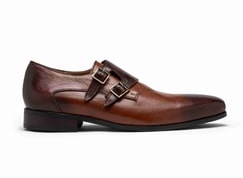
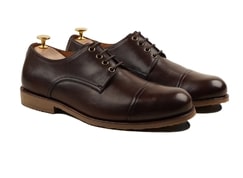
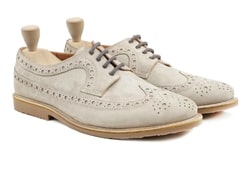
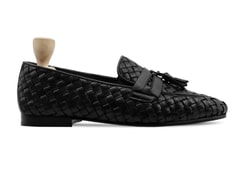
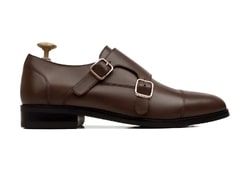
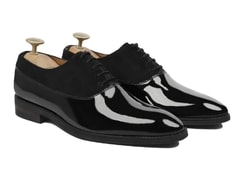
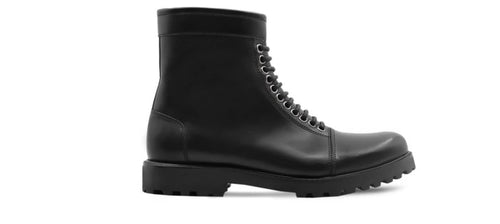
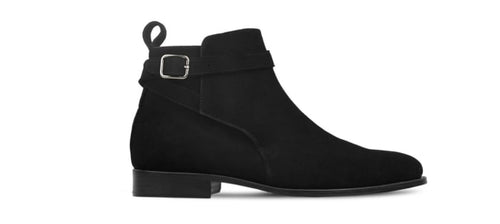


Breaking in new leather shoes safely means short, gradual wear sessions and proper drying time between uses — rushing the process is the single biggest reason people end up with blisters, creases in the wrong places, or shoes that never quite feel right. Here's how to do it correctly.

Why New Shoes Feel Stiff in the First Place
A brand-new pair of handmade leather shoes rarely feels perfect the first time you wear them. The leather is stiff, your foot hasn't shaped it yet, and there's often a gap between how a shoe looks on the shelf and how it actually feels after a few hours of walking. That's normal — but how you handle those first few wears makes a real difference in whether the shoes mold comfortably to your feet or end up creased, cracked, or permanently uncomfortable.
Start Short, Not Long
The biggest mistake people make is wearing new leather shoes for a full day right out of the box.
- Wear them for 1-2 hours at a time for the first several wears
- Gradually increase the wear time as the leather softens
- Avoid wearing a brand-new pair for a big event or a full workday until they've had at least 4-5 short wears first
This gives the leather time to adjust gradually instead of being forced into shape all at once, which is when blisters, hot spots, and creasing tend to happen.
Use the Right Socks
Thicker socks than you'd normally wear can help during the break-in period — they add cushioning while the leather is still stiff and reduce friction against your skin. Once the shoes have softened, switch back to your normal sock thickness.
Let Them Rest Between Wears
Leather needs 24-48 hours to fully dry out after a day of wear. Wearing the same new pair two days in a row doesn't give the material a chance to dry and reshape.
- Rotate between at least two pairs of shoes if possible
- Use shoe trees after every wear — one of the most effective habits for shoe longevity, since they gently stretch the leather back to correct form as it dries
Warm the Leather Slightly
Leather softens more easily when it's slightly warm, not hot.
- Wear the shoes indoors for 20-30 minutes before heading out
- Use a leather conditioner formulated for the specific leather type
- Avoid direct heat sources like hairdryers or radiators, which can dry out and crack leather rather than soften it
Address Tight Spots Early
If a specific spot — often the top of the foot or the back of the heel — feels tight or is causing rubbing:
- A shoe stretcher, or a cobbler with proper stretching tools, can target that exact spot
- Thin blister pads or moleskin can protect your skin while the leather continues to soften
- Don't just push through the pain for multiple wears — this often leads to a permanent crease or stretch mark in the wrong place
Know the Difference Between Discomfort and Wrong Size
Some stiffness and mild pressure during break-in is normal. Sharp pain, numbness, or a shoe that doesn't loosen at all after 5-6 wears usually means the size or width is wrong, not that more break-in time will fix it. If you're ordering online and want to avoid this from the start, our complete sizing guide covers how to measure properly before you buy.
What NOT to Do
- Don't soak leather in water to "soften" it — this can warp the shape and damage the finish
- Don't bend or crease the shoe by hand to force flexibility
- Don't skip socks thinking bare skin will "toughen up" faster — it mostly just increases blister risk
Frequently Asked Questions
How long does it take to break in leather shoes? Generally 4-8 short wears, though this varies by leather type and construction — Goodyear welted shoes tend to take slightly longer than Blake-stitched ones.
Is pain during break-in normal? Mild stiffness is normal; sharp or persistent pain is not, and usually signals the wrong size rather than a break-in issue that will resolve with more wear.
Do suede shoes need a different break-in process? Suede generally softens faster than smooth leather and needs less aggressive break-in, though the same short-session principle still applies.
Once your shoes are broken in, keeping them properly conditioned makes a real difference in how long that comfort lasts. See our complete leather care guide, or browse our Loafers & Slip-Ons and Monk Strap collections — every pair is built from genuine leather designed to soften and shape to your foot over time.
See a featured pair: Blue Patina Leather Oxford Shoes for Men.