
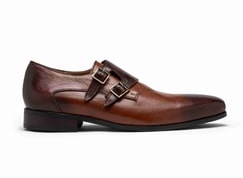
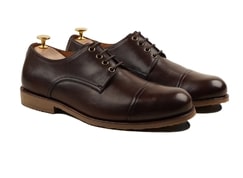
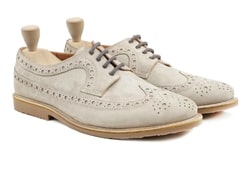
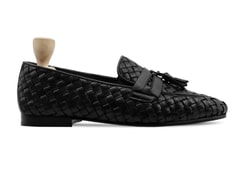
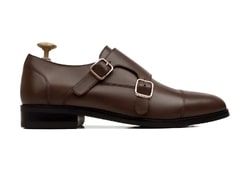
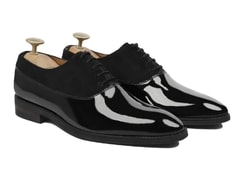
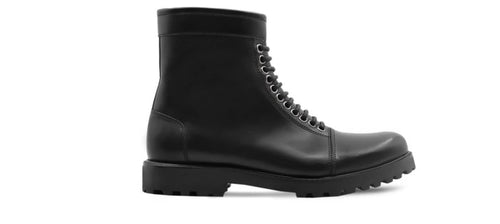
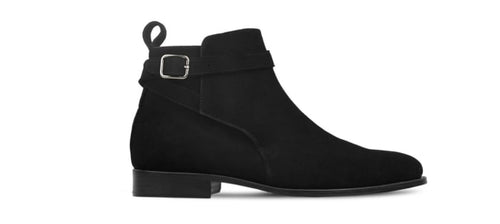


Leather shoe care comes down to five habits that matter most: using shoe trees after every wear, rotating between at least two pairs, conditioning regularly, polishing periodically, and never force-drying wet leather with direct heat — do just these five consistently and quality leather shoes will easily outlast shoes that cost several times more but receive none of this care. Here's the complete routine, from daily habits to deeper maintenance a few times a year.
For the full step-by-step care guide, see our Leather Shoe Care & Maintenance page.

Why Leather Care Actually Matters
Leather is a natural material, and how you treat it directly determines whether it develops a rich patina over the years or cracks and dries out within a couple of seasons. A well-made pair of Goodyear welted or Blake-stitched leather shoes can genuinely last decades with consistent care — but the difference between a shoe that lasts 20 years and one that falls apart in 2 usually comes down to habits, not the shoe's initial quality alone.
Daily Habits That Matter Most
These cost nothing and take seconds, but they're the biggest factor in how long your shoes actually last.
Use shoe trees. Insert a cedar shoe tree immediately after taking your shoes off, while the leather is still warm and slightly damp from wear. This helps the shoe hold its shape, absorbs moisture, and reduces creasing over time. The American Leather Chemists Association, the leading professional body researching leather science since 1903, is a useful resource for anyone wanting to go deeper into the material science behind why proper drying and moisture management matters for leather longevity.
Rotate your shoes. Leather needs 24-48 hours to fully dry out after a day of wear. Wearing the same pair two days in a row doesn't give it that recovery time, which accelerates wear on the insole and increases odor. Owning at least two pairs you alternate between makes a real difference.
Wipe them down. A quick wipe with a soft cloth after wearing removes dust and surface dirt before it has a chance to grind into the leather grain.
Weekly or Bi-Weekly Care
Brush before polishing. A horsehair brush removes loose dirt and buffs the leather, and is often enough on its own between deeper cleanings.
Condition when the leather feels dry. Leather conditioner (different from polish) restores the natural oils that keep leather flexible. If the surface looks dull or feels stiff rather than supple, it's due for conditioning. Apply a small amount with a soft cloth, work it in gently, and let it absorb for a few minutes before buffing off any excess.
Monthly Maintenance
Polish for shine and protection. Shoe polish does two things: adds shine and creates a light protective layer against moisture and scuffing. Apply in thin layers with a cloth or brush, let each layer dry slightly, then buff to the shine level you want. Over-polishing can build up residue, so once every few weeks is usually enough for regularly worn shoes.
Check and replace laces if worn. Small thing, but frayed laces are one of the fastest ways a well-maintained shoe starts looking neglected.
Handling Water and Weather
If shoes get wet:
- Remove them as soon as possible and stuff with newspaper or shoe trees to help them dry in shape
- Let them air dry at room temperature — never use direct heat like a radiator, heater, or hairdryer, which can cause the leather to crack and shrink
- Once fully dry, condition the leather to restore any oils lost in the process
For ongoing weather protection:
- A water-repellent spray designed for leather can be applied periodically, especially before wearing shoes in rain or snow
- Suede requires a different approach — a dedicated suede protector spray and a suede brush, rather than standard leather polish and conditioner
Storage
- Store shoes with shoe trees inserted, in a cool, dry place away from direct sunlight, which can fade and dry out leather over time
- Avoid stacking shoes directly on top of each other, which can crease or distort the shape
- If storing for an extended period, a light coat of conditioner beforehand helps prevent the leather from drying out while unused
Resoling and Repairs
Quality leather shoes, especially Goodyear welted construction, are built to be resoled rather than replaced. Our Goodyear welt buying guide covers how to verify this construction before buying. Signs it's time to resole:
- Visible wear through to the midsole, not just the outsole
- Water getting in through the sole during normal wear
- Uneven wear patterns affecting how the shoe sits
A trusted local cobbler can typically resole a well-built shoe multiple times over its life — often a fraction of the cost of buying a new pair, and part of what makes investing in quality leather shoes worthwhile in the first place.
A Simple Routine to Follow
- Shoe trees after every wear
- Rotate between at least two pairs
- Condition when leather starts feeling dry (roughly monthly for regular wear)
- Polish every few weeks for shine and protection
- Never force-dry wet leather with direct heat
Frequently Asked Questions
How often should I condition my leather shoes? Roughly once a month for shoes worn regularly, though this varies by climate — drier environments require more frequent conditioning.
Can I use the same care products on suede and leather? No — suede requires a dedicated brush and protector spray, never leather conditioner or polish, which will damage the nap.
How do I remove salt stains from winter wear? Wipe with a cloth dampened with equal parts water and white vinegar, let dry naturally, then condition once fully dry.
Is it normal for new leather shoes to need more care initially? Yes — new leather often benefits from an initial conditioning treatment before the first wear, helping it soften and begin developing character from day one.
Looking to add a well-built pair to your rotation? Browse our full collection of handmade leather shoes — every pair is built with genuine leather designed to age well with proper care.
See a featured pair: Brown Patina Brogue Penny Loafers for Men.