


Men's leather loafers work because they skip laces entirely without sacrificing the polish of a real dress shoe — genuinely one of the most versatile categories in a formal wardrobe, spanning everything from business meetings to weekend errands depending on which style you pick. Here's how the different loafer types actually compare, and which one to buy first.
Why Loafers Earn a Real Place in a Formal Wardrobe
I think loafers get underrated sometimes, treated as the "lazy" option next to a proper laced shoe. That's not really fair. A good leather loafer, built with the same construction quality as any oxford or derby, is just as legitimate a formal choice — it just prioritizes ease over ceremony. Different job, not a lesser one.

The Main Loafer Styles Worth Knowing
Penny loafers — the classic entry point, defined by the strap with a diamond cutout across the vamp. Genuinely the most versatile style in this category. Our full penny loafer guide covers the style's actual history and what separates a good pair from a mediocre one.
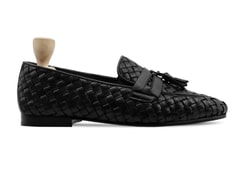
Tassel loafers — adding hanging tassels across the vamp for a bit more visual detail. Slightly dressier in feel than a plain penny loafer, and yes, they genuinely can work with a suit if you style it right — we cover exactly how to wear tassel loafers with a suit in a separate post.
Horsebit loafers — metal hardware across the vamp for a polished, distinctive look, no functional closure involved.
Moccasin loafers — built with a softer, more relaxed construction method than a structured penny loafer, genuinely the most casual option in this whole category.
For smart-casual styling, our jeans with loafers guide explains how denim wash, hem, and loafer material change the pairing.
What to Look For in Construction Quality
Genuine leather, clearly specified — full-grain develops a richer patina with wear and holds up better over years of the repeated slip-on-and-off motion loafers see daily.
Stitched sole construction, ideally Goodyear welt or Blake stitch rather than glued — this matters even more on a loafer than a laced shoe, since the stress of sliding your foot in and out repeatedly is exactly where cheap construction fails first.
A properly fitted last. Without laces to adjust for width, a loafer depends entirely on getting the initial fit right — too loose and it slips at the heel with every step.
How Many Loafers Do You Actually Need?
Honestly, one black or dark brown penny loafer covers most situations if you're starting from scratch. From there, I'd add a tassel loafer for a bit more formality, and a moccasin loafer for genuinely casual, warm-weather days. You don't need all four styles — build toward what you'll actually wear.
Frequently Asked Questions
Are loafers appropriate for business wear?
Yes, particularly penny and horsebit loafers in black or dark brown, in most business-casual and even some business-formal settings.
Do loafers need socks?
No-show socks or bare ankle work well in warmer months; match socks to trouser color otherwise. Our loafers with socks guide covers the ankle and sock choices in more detail.
What's the difference between a loafer and a moccasin?
Moccasin refers to a specific soft, wrap-around construction method; "loafer" is the broader category that includes penny, tassel, horsebit, and moccasin styles.
Browse our full range of handmade leather loafers in our Loafers & Slip-Ons collection.
See a featured pair: Maroon Leather Tassel Loafers for Men.