
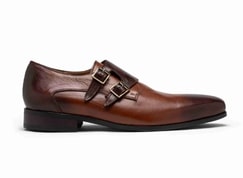
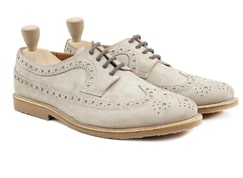
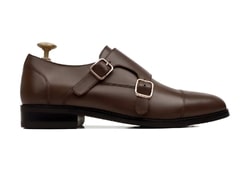
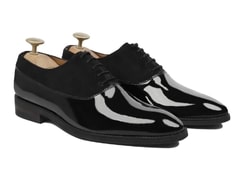
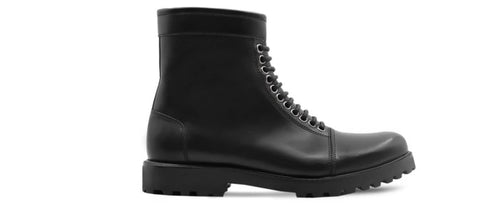
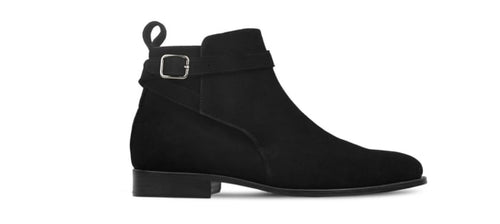


What color shoes with a brown suit? Dark brown is an easy starting point, black creates a sharper contrast with some deeper brown suits, and burgundy can add a richer accent. Tan also works when its shade is deliberately different from the suit. The important detail is not simply choosing a shoe marked “brown.” It is deciding whether you want the shoes to blend, contrast, or introduce a second color.
Picture two brown suits hanging next to each other. One is a deep chocolate wool suit; the other is light, sandy brown with a soft linen texture. They share a color name, but wearing the same shoes with both will produce completely different outfits. That is why this guide starts with the shade and texture of the suit, then works down to the shoes.
If you are getting dressed now, the quick answer is below. If you are planning an outfit for a wedding, dinner or the office, the examples afterward explain how to make the pairing feel intentional.
The Quick Answer: Match the Suit's Mood, Not Its Label
A dark chocolate suit can support dark brown, oxblood or, in some settings, black shoes. A mid-brown suit gives you room for deeper brown or carefully chosen burgundy. A lighter tan suit often pairs naturally with medium or deeper brown leather, while stark black creates a stronger, more deliberate contrast.
| Brown suit shade | Shoe color to try | The effect |
|---|---|---|
| Dark chocolate or espresso | Deep brown, burgundy or restrained black | Polished with relatively controlled contrast |
| Classic medium brown | Chocolate brown, oxblood or dark-brown suede | Warm but clearly separated tones |
| Copper or reddish brown | Deep brown or carefully chosen burgundy | Complements the suit's warmer undertone |
| Tan or camel | Medium brown, dark brown or deliberate black | From relaxed and tonal to noticeably sharp |
| Brown tweed or textured tailoring | Brown leather or suede suited to the occasion | Lets the materials add detail |
These are styling possibilities, not rules for every dress code. In a conservative environment, a quieter shoe and more traditional tailoring may be expected. If an invitation specifies black tie, a brown business suit and ordinary brown shoes are generally not the appropriate outfit.
The Problem With Brown Shoes That Almost Match
There is a specific reason some brown-on-brown combinations feel awkward: the shoes and trousers are nearly the same shade but not quite. The small difference can look unplanned, particularly when the leather has a red undertone and the fabric leans grey or yellow.
Try placing the shoes directly beneath the trousers in natural light. If the two browns look close but subtly clash, introduce a clearer difference. Deeper brown shoes with a medium-brown suit are one solution. A burgundy shoe can be another when its reddish tone works with the cloth.
Texture also helps. Dark-brown suede beside a smooth brown wool suit creates separation even when their colors are similar. That is a different choice from shiny leather beside a shiny fabric, where both surfaces compete for attention.
You do not have to hunt for an exact leather-and-wool color match. In most ordinary outfits, making the relationship between the shades obvious is more useful.
Dark Brown Shoes: The Quiet Option
Dark brown can complement several kinds of brown tailoring because it keeps the outfit within a warm color family without demanding attention. Think espresso leather under a medium-brown suit or chocolate-brown loafers beneath a lighter brown jacket and matching trousers.
For a refined but less traditional outfit, a dark-brown leather loafer may work well. Its smooth surface keeps the result polished, while its slip-on shape changes the mood compared with a lace-up dress shoe. Check the occasion first; not every workplace or formal event treats loafers and Oxfords as interchangeable.
Consider the Dark Brown Leather Horsebit Moccasins as a reference for a deep brown finish. They can help you visualize the color against your suit fabric, even though the product photo is not a styled suit photograph.
If you want to compare shades across different styles before narrowing down the outfit, our brown dress shoes guide explores shoe styles and finishes more broadly.
Black Shoes: When the Contrast Is Deliberate
Can you wear black shoes with a brown suit? Yes, but the shade of brown and the event matter. Black usually creates a stronger visual boundary under tan or camel trousers than it does under deep espresso wool. That can be intentional, especially when you want a modern, graphic look rather than a soft tonal outfit.
For a deep chocolate or dark-brown tailored suit, clean black Oxfords can create a restrained, structured finish in some dressy settings. With a light tan summer suit, the same shoes become much more noticeable and may look heavy beside soft fabric. That difference is why a universal yes-or-no rule is not especially helpful.
Keep the rest of the outfit relatively controlled if your shoes are already creating strong contrast. A white shirt and a dark, understated tie allow the suit and shoes to do most of the work. If you wear a leather belt, black is a straightforward companion for black dress shoes.
The Black Leather Oxford Shoes below show a clean silhouette. Compare them with your actual suit rather than relying on a photograph of someone else's outfit.

Burgundy and Oxblood: A Second Color That Still Feels Connected
Burgundy sits in an interesting place between red and brown. It can complement brown suits with warm or reddish undertones without repeating the trouser color. The result is more expressive than a close brown match but often quieter than a bright tan shoe.
Look carefully at the suit's undertone. A rusty or copper-brown fabric may sit naturally beside some burgundy finishes, while a cooler, grey-brown suit may work better with a less red shoe. Lighting changes how both materials look, so do not decide from their color names alone.
For an example of that richer shoe color, see the Burgundy Captoe Oxford Shoes. The Oxford silhouette stays relatively structured, while the leather adds depth. This can be an appealing direction for a suit-based celebration where a little personal style is welcome.

With a very traditional business outfit, consider the expectations of your workplace before choosing a more noticeable shoe color. Burgundy may feel understated to you but still read as a style detail to someone else.
Tan Shoes: Try Them With the Right Brown, Not Every Brown
Tan leather is much lighter than espresso or chocolate brown, so it becomes a focal point beneath a dark suit. With a lighter brown or camel suit, tan can create a gentler tonal look, but there is a catch: two nearly identical pale browns can make the outfit look unfinished if their undertones clash.
Set your suit trousers beside the shoes in daylight. Is there enough separation to make the combination feel intentional? If the answer is no, try a medium-brown or dark-brown shoe instead of adding more accessories to force the light pair to work.
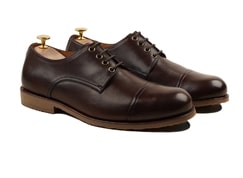
Our Tan Brown Patina Leather Derby Shoes demonstrate a brighter leather tone and an open-laced shape. That combination can work for a less formal suit-based outfit when the rest of your clothing supports the contrast.

A Brown Suit's Fabric Can Change the Shoe Choice
Color is only half the question. A brown wool suit with sharp shoulders is not the same outfit as a loosely tailored brown linen suit or a heavy textured tweed suit. Even if all three share the same shade, their materials suggest different footwear.
Smooth wool: Refined leather shoes often fit its cleaner, more formal appearance. Deep brown or black may be worth comparing depending on the suit shade and dress code.
Linen and softer summer cloth: A relaxed brown loafer or less formal Derby can complement the fabric's easy character. Very polished black Oxfords might be a deliberately sharp contrast, but they can feel disconnected if the whole outfit is meant to look airy.
Tweed or visibly textured wool: The cloth already brings pattern and depth. Consider shoes with a finish that belongs in the same kind of outfit, rather than adding several other competing details. Brown leather or appropriate suede can be natural starting points.
Texture cannot turn every shoe into the right choice. A suede loafer may look beautiful with tweed but still be too informal for an event with specific dress requirements.
Four Brown-Suit Situations That Require Different Shoes
Instead of shopping by color alone, try picturing the complete event. The same suit may be worn in very different ways, but a change of shoes can affect the outfit's mood more than you expect.
1. A Dark-Brown Suit for an Evening Event
Start with a deep-brown wool suit, white shirt and understated dark tie. Compare deep-brown leather shoes with a simple pair of black Oxfords. The dark brown keeps the outfit tonal; black introduces a cleaner boundary at the trouser hem. Which one belongs depends on the event's level of formality and the look you prefer.
2. A Medium-Brown Suit for a Daytime Wedding
Try a white or pale-blue shirt, a medium-brown suit and dark-brown leather shoes. If the suit has warmer red tones and the dress code allows it, burgundy is another option to compare. The important point is to avoid accidentally matching every brown piece to a slightly different shade.
3. A Light-Brown Suit for a Summer Celebration
A light-brown or camel suit with a soft shirt and medium-brown leather loafers can create a relaxed, cohesive outfit. If you choose woven leather, remember that the texture is a visual detail, not evidence that the shoe is suitable for loose sand or wet ground.
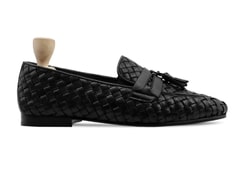
For a darker textured-loafer example, take a look at the Dark Brown Woven Leather Vintage Loafers, featured in this article. Compare the shoe shape and finish with your suit rather than assuming all loafers have the same level of formality.
4. A Brown Suit for a Creative Office
A muted chocolate suit, open-collar cream shirt and dark-brown loafers can feel polished without copying conservative businesswear. If your workplace expects more traditional attire, switch to an appropriate lace-up style. Your dress code matters more than a photograph of a fashionable office outfit.
What About Blue Shoes With a Brown Suit?
Dark navy can work as a deliberate contrast with some warm brown suits, particularly in a setting that welcomes individual styling. It is less conventional than dark-brown leather and harder to coordinate if you are also using a strong tie or patterned shirt.
Start by checking whether the brown fabric has red, yellow or grey undertones. Place the blue shoes beside it and take a photo in natural light. If the blue seems disconnected, a deeper brown or burgundy is an easier direction.
Unusual combinations are not automatically mistakes. They simply give you more variables to consider, and a bold shoe color can become the outfit's most visible detail. That may be exactly what you want for a creative event and not what you want for a conservative business meeting.
The Belt, Shirt and Socks: Keep the Rest of the Outfit Calm
Once the shoes and suit look right together, small decisions can make the outfit feel finished. They do not have to be perfect color matches, but they should not accidentally fight the pairing you have chosen.
The belt: A leather belt in a similar family to your shoes is a simple conventional approach. With black Oxfords, consider black. With chocolate-brown shoes, choose an appropriately dark brown. If the trousers have side adjusters or the outfit does not need a belt, you can skip it.
The shirt: White or cream often leaves brown tailoring room to stand out. Pale blue can introduce a cooler note. If you already have burgundy shoes and a reddish-brown suit, a very bright red shirt is not necessary to tie the pieces together.
The socks: Brown socks close to the trouser shade can create a continuous line. Darker socks may connect visually with deep-brown or black shoes. Try the full outfit while sitting down: your socks become much more visible when the trouser hem rises.
Above all, avoid solving a color problem by adding more colors. If the shoes feel too bright or the browns clash, changing the footwear is often simpler.
The One-Minute Check Before You Leave
Hang the jacket where it receives natural light, then put on the matching trousers and candidate shoes. Look at the space from the trouser hem to the toe. Are the colors nearly matching without quite agreeing? Is the contrast much stronger than you expected? Does the shoe's shape suit the outfit's level of formality?
Next, put on your intended shirt, belt and socks. Take a full-length phone photo and check the outfit as a whole. If you are deciding between two pairs, change only the shoes. It becomes easier to see which effect you prefer when the rest of the clothing stays constant.
Finally, walk around. A beautiful color combination is not useful if the shoes pinch or slip all evening. Our dress shoe fit guide
Frequently Asked Questions
What color shoes go with a brown suit?
Dark brown is a straightforward starting point for many brown suits. Burgundy can add a related but distinct accent, while black may work as a sharper contrast depending on the brown shade and occasion. Tan works best when its relationship with the suit's color is intentional rather than an almost-match.
Can you wear black shoes with a brown suit?
Yes, in some settings. Black leather shoes create a stronger contrast, especially with a light or medium-brown suit. With deeper brown tailored suits, the contrast may be more restrained. Follow any specific event or workplace dress code first.
Should brown shoes be darker than a brown suit?
They do not have to be, but slightly darker shoes are a useful starting point if you want a tonal combination without an awkward near-match. Compare undertones and textures as well as lightness.
Do burgundy shoes go with a brown suit?
They can, particularly when the suit's undertones complement the red-brown leather. Burgundy adds an accent rather than repeating the same brown shade. Check the pairing in natural light before deciding.
What shoes go with a light-brown suit?
Medium- or dark-brown leather shoes are good colors to test with light-brown tailoring. Tan can also work if the shades are deliberately coordinated. Black makes a bolder contrast and may suit a sharper, more styled outfit rather than a relaxed summer look.
Can you wear loafers with a brown suit to a wedding?
Sometimes. Refined leather loafers can suit many less formal weddings, especially with relaxed or warm-weather tailoring. Formal invitations may call for a more traditional dress shoe, so check the stated dress code and venue before deciding.
Let the Brown Suit Tell You What It Needs
If you are still uncertain, stop thinking of “brown suit” as a single color. Compare the actual fabric with two or three pairs of shoes, notice the difference in contrast and check whether the silhouette fits the occasion.
Dark brown can create a quiet tonal look, burgundy brings depth, black adds definition and tan is more expressive against deeper browns. Choose the effect that belongs to the suit you actually own—not the one that happened to appear in somebody else's outfit photo.