


How to protect suede shoes starts before you wear them outside: check the maker's care advice, remove loose dust with a suitable suede brush, test any suede-safe protector on a hidden area, then apply it exactly as the product label directs. Let the shoes dry completely before wearing them. Protection can help limit moisture and staining, but it cannot turn ordinary suede dress shoes into waterproof footwear.
There is a useful distinction between a shoe that looks protected and one that is ready for its first outing. Fresh suede may already look flawless. That says nothing about whether it has a factory-applied treatment, whether your chosen spray is compatible with its dye or whether a wet commute is a good idea. The most reliable routine begins with a few small checks rather than an enthusiastic spray-and-go.
This guide follows your shoes from the box to their first outing, then explains what to do after ordinary wear, unexpected rain and small marks. It focuses on suede protection, not general leather polishing; those materials need different care.
First, Know What a Protector Can and Cannot Do
Suede has a soft, raised surface called the nap. It gives the material its distinctive appearance, but also means dirt and moisture can affect the way it looks. A product formulated for suede may help resist light splashes and reduce some staining when it is applied correctly. Results depend on the material, treatment, weather and how much wear the shoes receive.
A protector is not a guarantee against rain, deep puddles, oil, dye transfer or every spill. It also does not change the construction of the sole or stop water from entering through openings and seams. If your plans involve prolonged rain or standing water, different footwear is a more dependable solution.
Some shoes may already have a protective finish. Check the seller's instructions or ask the manufacturer before adding another treatment, especially when dealing with unusual dyes, mixed materials or a finish whose care requirements are unclear.
The First-Wear Routine: Five Checks Before You Leave Home
Think of this as a short preparation checklist, not a complicated restoration project. You are trying to preserve the suede you already like, not change its appearance.
1. Inspect the Shoes in Good Light
Unbox the shoes and compare both uppers. Look for dust, light handling marks and differences in how the nap lies. A darker-looking patch is not automatically a stain: the suede's fibers may simply be lying in the opposite direction. If the shoes have an unusual finish or delicate trim, note those areas before selecting a care product.
Check the care information supplied with the shoes. If it warns against applying sprays, follow that instruction instead of assuming a general suede tutorial overrides it. Never test a new product first on the most visible part of the toe.
2. Give Dry Suede a Gentle Brush
Use a clean brush intended for suede, and work gently to lift loose surface dust. Test your pressure on a less visible area first. Repeated hard scrubbing can change the appearance of the nap, particularly on softer or finely finished suede.
For a product example, the Elegant Brown Suede Derby Shoes show the kind of visible suede texture you want to preserve. The image is a genuine product photograph, not a demonstration of a cleaning technique.

3. Choose a Protector That Explicitly Names Suede
Read the label rather than relying on words such as “leather care.” Smooth-leather creams and wax polishes are not substitutes for products formulated for suede; they may flatten, darken or mark its surface. Choose a protector that specifically lists suede as compatible and read all restrictions for color, ventilation and the materials it can touch.
Also check the rest of the shoe. If the upper includes smooth leather, fabric, decorative hardware or another finish, follow the product's instructions for avoiding or masking incompatible surfaces. A spray that suits the suede upper is not automatically appropriate for every component.
4. Spot-Test and Apply Exactly as Directed
Test the product on a small, inconspicuous part of the suede, following the label's test and drying instructions. Inspect it when dry for a persistent color change, spotting, stiffness or altered texture. If you see an unwanted change, stop instead of applying it to the whole shoe.
Once the test passes and the shoe maker permits treatment, follow the protector's stated application distance, number of coats and drying time. Those details vary by formula. Use sprays only in the location and conditions required on the label, generally outdoors or in an appropriately ventilated place; keep aerosol products away from heat, flames, children and pets.
A heavy, wet coating is not a shortcut to stronger protection. Overapplication can cause uneven marks or alter the surface. More product is not necessarily better, especially on pale or highly colored suede.
5. Let the Treatment Dry, Then Check the Nap
Give the shoes the full drying or curing time specified on the product label. Do not guess based on whether the surface merely feels dry to the touch, and do not hurry the process with a radiator, hair dryer or direct heat.
When the product instructions allow it and the uppers are completely dry, a gentle pass with a clean suede brush can help tidy the nap. Put the shoes on only after the recommended waiting period. If the label requires a longer cure time, your departure time does not change the chemistry.
Light Suede Needs Extra Attention During the Test
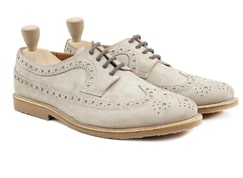
Light beige and tan suede can make an uneven application or color shift easier to notice. That makes the hidden-area test particularly important. Do not assume a spray that worked beautifully on dark brown suede will look identical on a pale pair.
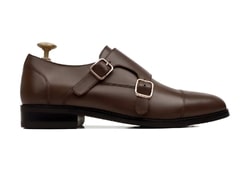
The Light Brown Suede Double Buckle Shoes are a useful visual reference for this point. Their lighter finish makes shade and texture especially visible. The photograph below shows the original product only; it does not show how a spray performs on the shoes.

For blue, grey and other dyed suede, the same rule applies. A “clear” product label does not promise that every dye will react identically. If your pair is made from a particularly delicate or unusual finish, ask a knowledgeable shoe-care professional or the manufacturer before treating it.
How to Waterproof Suede Shoes: Understand the Difference
People often search for how to waterproof suede shoes when their real goal is to make everyday rain less worrying. Suede-safe protective sprays may provide water resistance, but “water-resistant” and “waterproof” are not interchangeable. A treated upper may repel some droplets while moisture still enters elsewhere in the shoe.
If you expect a little unpredictable weather, proper protective treatment and a sensible route can reduce some risks. If the forecast calls for persistent rain or you're walking through wet ground for long periods, wear footwear designed for those conditions instead.
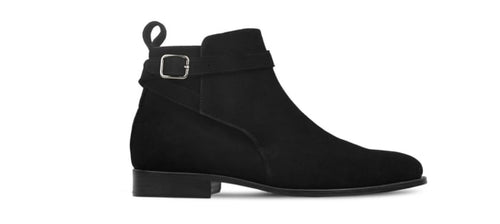
Boots are not automatically waterproof, either. Our Dark Brown Suede Ankle Boots illustrate a covered silhouette, but their shape and suede upper should not be treated as proof of water resistance. Check the actual product specifications before choosing any shoe for wet weather.

After the First Wear: A Small Routine Beats a Big Rescue
You do not need to spray your shoes every time you put them on. Instead, make a habit of inspecting them when you return home. If the suede is dry and only lightly dusty, a gentle brush may be all it needs. Pay particular attention to areas where dust collects, such as seams and the front of the shoe, without grinding grit into the nap.
If the shoes are damp, let them air-dry naturally before brushing or applying more product. Keep them away from direct heat. Use suitable shoe trees or carefully placed clean, unprinted paper if you need help preserving the shape, provided the shoe's construction and care instructions allow it. Replace damp paper rather than leaving it inside the shoe.
Rotate pairs when possible so shoes have time to air out between wears. Store fully dry suede away from damp environments and prolonged harsh sunlight. These ordinary habits support the protection routine without turning shoe care into a weekly project.
For a wider discussion of rotation and storage across different types of leather footwear, see our leather shoe care guide. Remember that its smooth-leather polishing and conditioning advice should not be transferred directly to suede.
If You Get Caught in the Rain
First, get out of the wet conditions when you reasonably can. Resist the urge to rub damp suede aggressively or blast it with a hair dryer. Either can leave the surface looking worse than it did after the rain itself.
Once home, gently remove any loose surface debris without grinding it into the material. Support the shoes' shape as appropriate and allow them to dry naturally in an airy place. Wait until the suede is fully dry before brushing the nap gently. If the shoes develop stubborn water marks, dye transfer or a distorted finish, consult the shoe maker or a professional cleaner rather than experimenting with strong household products.
Do not immediately reapply protector to a wet shoe unless the specific product and manufacturer explicitly instruct you to do so. Check the existing treatment's reapplication directions once everything is dry.
Dust, Mud and Grease Are Three Different Problems
Not every mark needs the same response. If you automatically spray, scrub or add water at the first sign of dirt, you may turn a small problem into a visible patch.
| What happened? | A careful first step | What to avoid |
|---|---|---|
| Dry surface dust | Try a gentle pass with a clean suede brush. | Grinding grit into the nap with force. |
| Wet mud | Allow it to dry, then assess and gently lift loose dirt. | Smearing it around while wet. |
| Rain or a light water mark | Let the shoes dry naturally before judging the mark. | Direct heat and aggressive rubbing. |
| Grease, ink or dye transfer | Stop and check specialist care advice. | Untested cleaners or internet “hacks.” |
For a persistent stain, a specialist suede cleaner may be appropriate if the shoe maker permits it, but always follow its directions and test an inconspicuous area. Oil and dye stains can be particularly difficult, so professional cleaning may be a safer choice than repeated home treatment.
When Should You Reapply Suede Protector?
There is no universal schedule for every spray and every shoe. Reapplication depends on the manufacturer's directions, how often you wear the pair, whether it has been cleaned, and the exposure it receives. Some products offer a suggested interval; others base it on usage and conditions.
Before reapplying, make sure the uppers are clean and thoroughly dry, verify that the protector remains suitable and repeat the hidden-area test if you have changed products. Avoid repeatedly layering treatments simply because the shoes have been worn a few times.
If you wear suede only for occasional dry-weather outings, its care needs will differ from a pair exposed to frequent outdoor use. Let the actual condition of the shoes and the protector label guide you rather than copying a blanket calendar rule.
The Mistakes That Undo Suede Protection
The most damaging care decisions often come from trying to improve a pair too quickly. Watch for these common mistakes:
- Using ordinary leather polish: Smooth-leather polish and creams can alter the nap. Choose products explicitly compatible with suede instead.
- Skipping the spot test: Especially risky on pale or richly dyed suede, where uneven darkening can be obvious.
- Soaking the upper in protector: Excess product does not guarantee better resistance and can change the appearance of the material.
- Wearing shoes before the product dries: Follow the label's full waiting instructions, not your own estimate.
- Believing the word “waterproof” too literally: Treated suede is not a promise that the complete shoe can handle prolonged wet conditions.
- Applying heat to wet shoes: Natural air-drying is a more cautious first response unless specific care instructions say otherwise.
One other mistake is treating all leather footwear alike. If you're deciding which material fits your routine before buying, our full-grain leather vs suede comparison explains why their finishes ask for different kinds of care.
See How Different Suede Styles Change the Care Routine
The basic first-wear steps stay similar, but shoe shape can affect where dirt gathers and how you handle the upper. A Derby has laces and eyelet areas, while a boot has more surface around the ankle. Treat each visible suede area gently and avoid getting unsuitable product on other materials.
For example, compare the actual suede finishes on our Elegant Blue Suede Derby Shoes, Elegant Brown Suede Derby Shoes and Dark Brown Suede Ankle Boots. The photographs show real available styles; none should be taken as evidence that a particular protection product has already been applied or tested.
Our men's Derby shoes collection provides other shoe shapes and finishes to compare. Check each product's material and care information rather than assuming every leather-looking finish needs identical treatment.
Frequently Asked Questions
How do you protect new suede shoes before wearing them?
Check the shoe maker's instructions, gently brush away loose dust, choose a protector explicitly labeled for suede and spot-test it in a hidden area. If compatible, apply it according to its label and let it dry for the full recommended time before wearing the shoes.
Can you make suede shoes completely waterproof?
Ordinary suede protector sprays can provide some water resistance, but they do not guarantee a completely waterproof shoe. The sole, seams and other components still matter. For prolonged rain or standing water, choose footwear designed for those conditions.
Do suede shoes need protector spray?
A suede-safe protector can be helpful, but first check whether the shoe maker recommends it or has already applied a treatment. Some finishes have special care requirements. Avoid applying a spray when its compatibility is uncertain.
Can suede protector spray change the color of shoes?
It can, depending on the product and suede finish. Test a small hidden area and inspect it after it has fully dried. This is particularly important with lighter or strongly dyed suede.
How often should you spray suede shoes?
Follow the protector manufacturer's reapplication instructions and consider how frequently you wear the shoes and their exposure to moisture or dirt. There is no one-size-fits-all interval for every formula and pair.
What should I do if my protected suede shoes get wet?
Let them air-dry naturally away from direct heat, maintain their shape appropriately and assess the suede once fully dry. Brush gently if suitable. For persistent water marks or dye changes, consult the maker or a professional cleaner before experimenting.
A Better First Outing Starts Before the Door
Protecting suede is less about buying a magic spray than about choosing a compatible treatment and using it carefully. Inspect the material, test before applying, respect drying instructions and stay realistic about what water resistance means. Then keep maintenance small: dry, brush and reassess instead of waiting for a major cleaning job.
When you follow that sequence, your first outing becomes simpler—and you are less likely to accidentally change the very suede texture you bought the shoes for.