
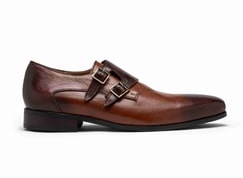
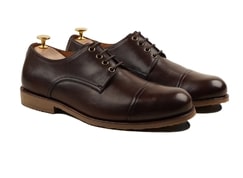
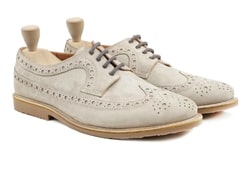
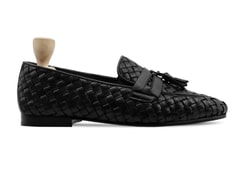


Sustainable handmade shoes reduce waste primarily through two real mechanisms: made-to-order production that avoids overmanufacturing, and construction built to be resoled and worn for years rather than replaced every season. I want to be honest about what "sustainable" actually means here, rather than throwing the word around without backing it up.
Why I'm Being Careful With This Word
"Sustainable" gets used loosely in fashion marketing, often without much behind it. I'd rather explain the specific, real reasons handmade shoes tend to have a smaller footprint than mass-produced fast fashion, rather than just slap the label on and move on.
Made-to-Order Production Reduces Overmanufacturing
Fast fashion footwear is typically produced in huge batches based on sales forecasts, and a meaningful percentage of that stock never sells — it ends up discounted, discarded, or landfilled. Made-to-order production, where a pair is built after you order it rather than pulled from a huge pre-made batch, genuinely avoids that specific waste pattern. It's a real structural difference, not a marketing claim.

Durability Genuinely Reduces Consumption
This is the part I think matters most, and it's something we've written about elsewhere too. A cheap, glued shoe typically lasts a year or two before the sole separates and the whole pair gets thrown out. A well-built shoe with stitched construction — Goodyear welt or Blake stitch — can be resoled multiple times over a decade or more. Buying one pair that lasts ten years, resoled twice along the way, genuinely displaces the five or six pairs of cheap shoes you'd otherwise cycle through in that same period.
Genuine Leather vs. Synthetic Materials
Genuine leather is a byproduct of the meat industry rather than a material grown specifically for footwear, and it biodegrades over time in a way synthetic "leather" alternatives generally don't. I won't claim leather production has zero environmental impact — tanning processes vary widely in their footprint — but it's a genuinely different conversation than synthetic materials derived from petroleum.
What Sustainable Handmade Shoes Don't Automatically Mean
I want to be straightforward here: handmade and made-to-order doesn't automatically mean zero environmental impact, carbon-neutral, or any of the stronger claims some brands make without real evidence behind them. What it does mean is a genuinely different production model — less overproduction, less waste from unsold stock, and a product built to last rather than get replaced quickly.
How to Actually Make Your Shoes Last Longer
Since durability is where the real sustainability case comes from, it's worth doing your part too — rotating between pairs, conditioning regularly, and resoling before the upper gets damaged. Our full leather care guide covers the complete routine.
Frequently Asked Questions
Are handmade leather shoes automatically eco-friendly?
Not automatically — the real advantage comes from reduced overproduction and genuine durability, not an inherent property of being handmade.
Is leather more sustainable than synthetic alternatives?
Leather is a byproduct material that biodegrades, which is a real difference from petroleum-based synthetics, though tanning processes vary in their own environmental impact.
What's the single biggest factor in a shoe's environmental footprint?
Longevity. A shoe that lasts a decade with proper care and resoling has a meaningfully smaller footprint per year of use than one replaced annually.
Explore our full range of handmade, made-to-order leather shoes in our complete collection.
See a featured pair: Tan Brown Patina Leather Derby Shoes for Men.