


Leather sole dress shoes are formal shoes finished with a sole made from leather instead of rubber or synthetic material. They are known for a clean, traditional look and a slimmer sole profile, but they also behave differently on wet streets, polished floors, and rough pavement. If you are choosing a pair for work, weddings, or regular dress wear, understanding those differences makes it much easier to decide whether a leather sole is right for you.
What Does a Leather Sole Actually Change?
The sole is the part of the shoe that meets the ground, so its material affects how the shoe feels, wears, and looks. A leather sole usually gives a dress shoe a slimmer profile than a thick rubber sole. That is one reason it is common on classic Oxfords, Derbies, and other formal styles.
It also becomes more flexible as you wear it. New leather soles can feel firm at first, but over time they begin to follow the way your foot bends and the way you walk.

Why Men Still Choose Leather Soles
For many buyers, the appeal is not about one single feature. It is the combination of appearance, feel, and traditional shoemaking.
A cleaner formal profile
Leather soles are usually thinner and less bulky than many rubber soles. That works especially well with tailored trousers and suits because the shoe keeps a neat, refined shape.
A natural feel underfoot
Leather is a natural material, so the sole gradually flexes and changes with use. Some men prefer that firmer, more direct feel compared with the softer cushioning of rubber.
They suit classic dress-shoe construction
Leather soles are often found on traditional dress shoes, including many men's Oxford shoes and men's Derby shoes. The sole material itself does not tell you whether a shoe is well made, though. Construction matters just as much.
Leather Sole vs Rubber Sole: Which Is Better?
Neither is automatically better. It depends on where and how you plan to wear the shoes.
| Feature | Leather Sole | Rubber Sole |
|---|---|---|
| Look | Slim, traditional, formal | Often more practical or casual |
| Grip | Can be slippery when new | Usually stronger grip |
| Wet weather | Needs more care | Usually more weather-friendly |
| Feel | Firm, flexible with wear | Often softer and more cushioned |
| Best use | Formal, office, events | Long outdoor wear, wet conditions |
If most of your day is indoors, a leather sole can be an excellent choice. If you walk long distances outside or regularly deal with rain, a rubber sole may simply be more practical.
Are Men's Leather Sole Dress Shoes Comfortable?
Men's leather sole dress shoes can be comfortable, but comfort depends on much more than the outsole. Fit, last shape, lining, insole, heel height, and construction all matter.
A leather sole will not feel like a running shoe, and it is not meant to. A good dress shoe should feel secure without painful pressure points. The sole may start firm and then become easier to flex after a few wears.
What About Grip?
This is one of the most important practical differences. A fresh leather sole can feel smooth, especially on polished tile or wet surfaces. After some normal outdoor wear, the surface becomes less slick, but leather still does not provide the same traction as a heavily patterned rubber sole.
If you love the look of leather but want more grip, a cobbler can often add a thin rubber sole protector. This keeps most of the original profile while giving the bottom extra protection.
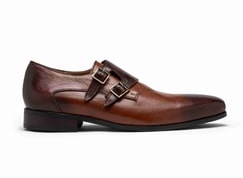
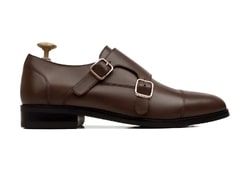
Some dress shoes use that idea from the start. Marcello Sarto's Brown Double Monk Strap Shoes for Men, for example, use an Argentinean leather sole with a rubber protector, combining a traditional leather base with added traction.

Do Leather Soles Last?
They can last well when used in the right conditions, but pavement, moisture, and walking habits all affect wear. A person who drives to the office and spends most of the day indoors will usually wear through a leather sole much more slowly than someone who walks several miles on rough concrete every day.
Construction is also important. A shoe designed to be resoled can have a much longer useful life than one that cannot be repaired easily. If you want to understand this part before buying, read our Goodyear welted leather shoes guide and our comparison of Goodyear welt vs Blake stitch.
When a Leather Sole Makes the Most Sense
Leather soles make the most sense when the shoe is mainly for a suit, formal event, wedding, office wardrobe, or smart evening wear. They are especially practical when appearance matters and most of your walking will be on dry surfaces.
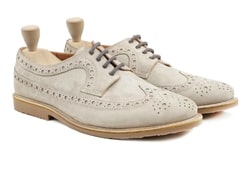
For example, a classic wingtip Oxford with a leather sole can work well with navy, grey, or brown tailoring. Our Tri Tone Leather Wingtip Oxford Shoes use genuine calf leather with a genuine leather sole and lining, which makes them a useful example of this traditional type of construction.
When Rubber Makes More Sense
If your daily routine includes rain, long outdoor walks, train platforms, or slippery surfaces, rubber may be the easier choice. The extra grip and resistance to wet ground can matter more than the slimmer profile of leather.
There is no reason to force a leather sole into a lifestyle where it creates extra work. The best dress shoe is the one you will actually wear regularly.
How to Look After Leather Soles
- Let wet soles dry naturally before wearing the shoes again.
- Avoid placing wet shoes directly beside strong heat.
- Rotate your dress shoes instead of wearing the same pair every day.
- Have the soles checked when they become very thin, especially around the ball of the foot.
- Consider a thin sole protector if you need more grip or regularly walk on rough ground.
So, Are Leather Sole Dress Shoes Worth Buying?
Yes, if you want a traditional dress shoe and your normal use suits the material. Leather soles give Oxfords, Derbies, and other formal shoes a clean profile and a classic feel, but they require more care around water and slippery surfaces than rubber.
If you are buying one pair for formal wear and mostly use it indoors or in dry conditions, leather is a very sensible option. If the shoe will be your everyday walking pair in mixed weather, compare both sole types before deciding.
If you are still comparing shoe styles as well as sole materials, our men’s leather dress shoes guide explains the main Oxford, Derby, monk strap, and wingtip options.
Frequently Asked Questions
Are leather sole dress shoes good for weddings?
Yes. They work especially well with formal suits because of their slim, traditional appearance. Just be careful if the event is outdoors or the ground is wet.
Are leather soles slippery?
They can be smoother than rubber, particularly when new or on polished and wet surfaces. Normal wear improves the surface, and a thin rubber protector can add grip.
Can leather sole shoes be resoled?
Many can, but it depends on how the shoe is constructed. Welted and stitched constructions are generally easier to repair than shoes where the sole is permanently bonded.
Should I choose leather or rubber soles for office shoes?
If most of your day is indoors and you prefer a classic formal look, leather works very well. If your commute involves a lot of outdoor walking or wet weather, rubber may be more practical.