


Men's leather dress shoes cover a genuinely wide range — oxfords, derbies, monk straps, wingtips — and picking the right one starts with understanding what actually separates them, not just picking whatever looks formal enough. Here's the complete picture, and what I'd actually prioritize before buying.
The Main Categories Worth Knowing
Oxfords — closed lacing creates the sleekest, most formal silhouette. The safest choice if you only own one pair of leather dress shoes. Our captoe oxford guide covers the most versatile version of this style.
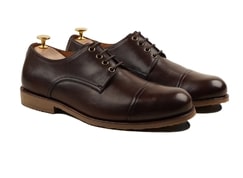
Derbies — open lacing gives more room through the instep, making derbies genuinely more comfortable for a lot of foot shapes, at a small cost to formality.
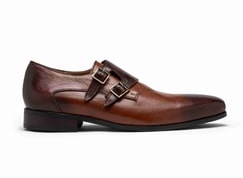
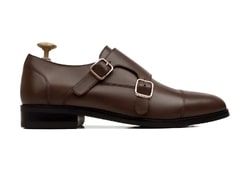
Monk straps — buckle closures instead of laces, adding structure and personality. If you're adding your first one, our single monk strap guide explains why that's the easier starting point over a double monk strap.
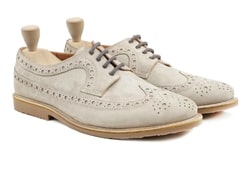
Wingtips and brogues — perforated toe cap detailing that can appear on either an oxford or derby base, adding texture at a slight cost to formality.

What to Look For in Construction Quality
Genuine full-grain leather, clearly specified. Full-grain develops a real patina with wear and holds up significantly better over years of use than corrected or bonded leather.
Stitched sole construction. Goodyear welt and Blake stitch both allow for resoling, unlike cemented construction, which typically can't be repaired the same way. Our leather sole dress shoes guide explains what that means in daily wear.
Clean, even stitching throughout, particularly visible around toe caps and eyelets — often where construction quality shows most clearly.
Color Guide
Black — the most formal and conservative, works for nearly any business or formal occasion.
Brown — more versatile for everyday and business-casual wear. See our men's brown dress shoes guide for color and outfit combinations.
Burgundy or oxblood — a genuine style statement while staying business-appropriate. Our burgundy dress shoes guide covers this color specifically.
How Many Pairs You Actually Need
One black captoe oxford covers the most formal occasions. A brown derby adds everyday business-casual versatility. A monk strap or wingtip in a color you like rounds out a more developed formal wardrobe from there. You don't need all of them at once — build toward what your actual calendar calls for.
Frequently Asked Questions
What's the most versatile leather dress shoe to own first?
A black captoe oxford, since it works for the widest range of formal and business occasions without any risk of looking underdressed.
How do I know if a dress shoe is genuinely well-made?
Check for full-grain leather (explicitly specified), stitched rather than glued sole construction, and clean, even stitching — these matter more than brand name or price alone.
Do leather dress shoes need to be broken in?
Yes, particularly Goodyear welted construction, which tends to be stiffer initially. Expect a real break-in period with shorter wears before extended use.
Explore our full range of handmade men's dress shoes across oxfords, derbies, and monk straps.
See a featured pair: Black Leather Handmade Oxford Shoes for Men.